Operating-style comparison

Casement vs slider windows.

Casements project outward on hinges. Sliders move horizontally within the frame. That difference changes ventilation, screen position, hardware, cleaning and the shape of the clear opening.

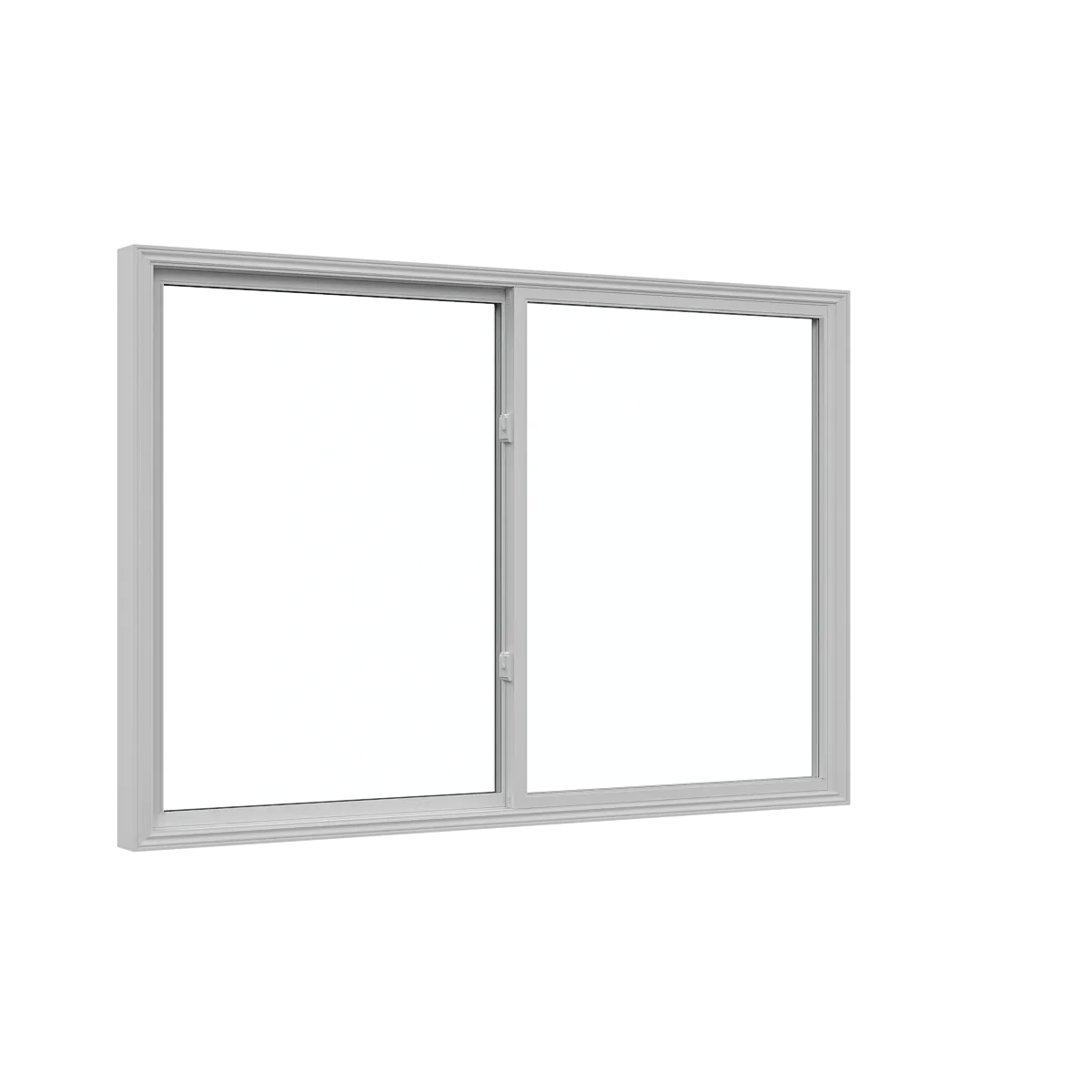
A representative replacement window configuration. The exact product, options and performance details are confirmed in your written quotation.

01Hinged projection versus horizontal movement02Different screen and cleaning arrangements03Opening geometry changes ventilation04Exact performance depends on the quoted system

At a glance

Start with a clear project scope.

Both styles can be suitable replacement choices when the opening and room support them. Casements are often selected for compression-style closing and broad sash opening; sliders are useful where outward projection is undesirable and a horizontal opening suits the elevation.

The comparison should use the exact quoted systems. Frame profile, seals, hardware, glass package and size can matter as much as the generic operating category.

Side by side

The operating direction creates the main tradeoffs.

Use the table as a planning aid, then confirm hardware reach, clear opening, egress and exterior clearance at the measured opening.

Deep-frame white casement replacement window
productHigh-Performance Casement Window

The operating direction creates the main tradeoffs.: Deep-frame white casement replacement window. Focus on the product form and visible frame or panel details.

Casement and slider comparison
ConsiderationCasementSlider
OperationSide-hinged sash projects outward, typically operated by a handle and crank.Sash moves horizontally within frame tracks.
VentilationOpen sash can catch and direct breezes; broad opening depends on size and hardware.Ventilation is generally limited to the open portion of the frame.
Air sealingOften closes against compression seals; compare verified whole-window values.Uses sliding seals and meeting rails; compare the exact tested system.
Screen placementUsually on the interior because the sash opens outward.Commonly positioned to serve the sliding opening; layout varies by system.
CleaningHinged access varies with sash design and floor level.Removable or tilting sash features vary; exterior access may still be needed.
Opening geometryCreates an outward projection and a relatively tall clear opening.No exterior projection and suits wider horizontal openings.
AppearanceVertical sash proportions and minimal meeting-rail interruption.Horizontal meeting rails and track profile are part of the view.

Room and exposure

Exterior clearance and interior use narrow the choice.

Casements should not project into walkways or locations where exterior obstacles, trees, decks or maintenance access make an open sash impractical. Interior screens need to work with blinds, curtains and cleaning access.

Sliders avoid exterior projection and can be straightforward over counters or in bedrooms where a wide opening is available. Confirm hardware reach, screen arrangement, sill maintenance and applicable egress dimensions.

High-Performance Casement Window: deep-frame casement
configurationDeep-frame casement

Exterior clearance and interior use narrow the choice.: High-Performance Casement Window: deep-frame casement. Focus on layout and operating choices.

01

Consider casement for

Openings with exterior clearance, a desire for broad ventilation and suitable access to the operator and interior screen.

02

Consider slider for

Wider openings, areas where outward projection is undesirable and rooms suited to horizontal sash movement.

03

Check either style for

Egress, safety glazing, reach, room layout, exterior obstacles, water exposure and the exact glass package.

Performance and maintenance

Do not convert a general tendency into a universal claim.

Casement compression seals can support strong air performance, but frame construction, hardware adjustment and installation still matter. A well-designed slider can also meet demanding requirements. Compare tested whole-window ratings for the exact configuration.

Tracks, drainage paths, seals, operators, locks and screens need periodic cleaning and adjustment appropriate to the system. Selection should account for who will operate and maintain the window.

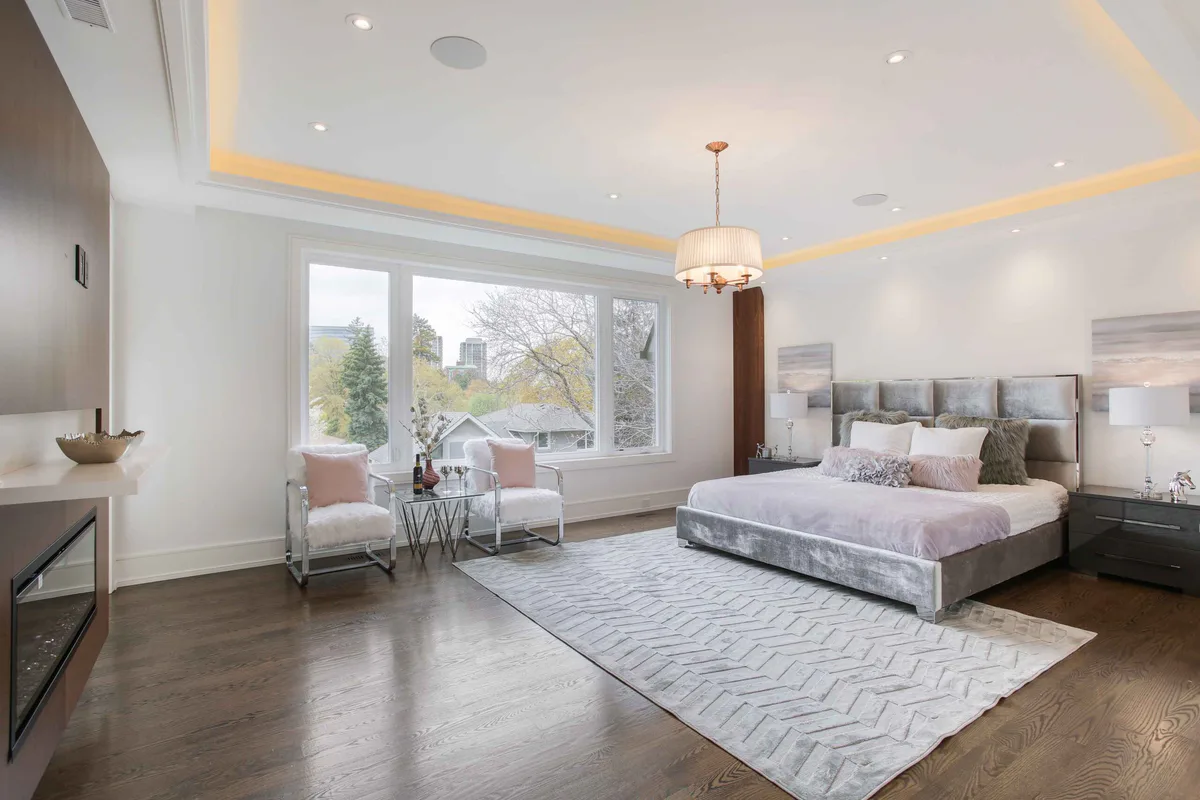
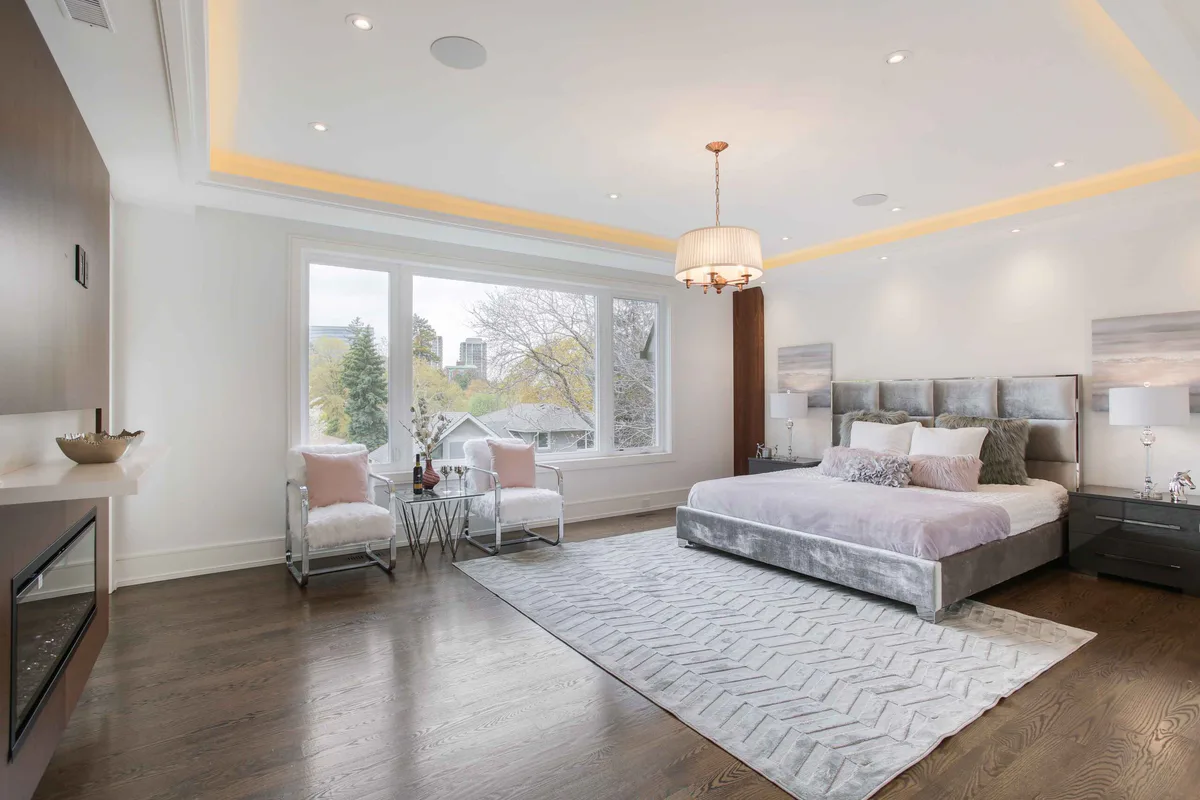
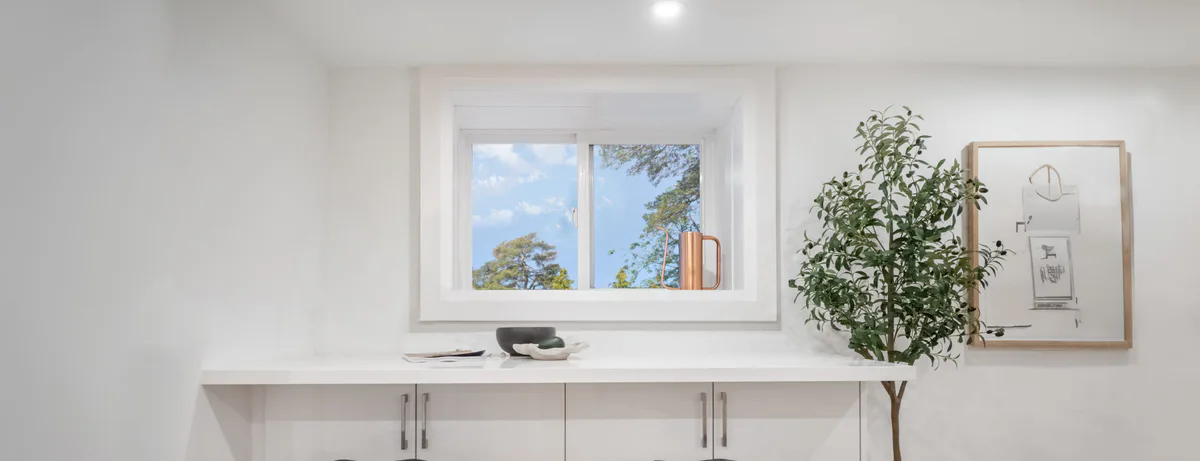
Interior view of a double slider window configuration
contextDouble Slider Window

Do not convert a general tendency into a universal claim.: Interior view of a double slider window configuration. Focus on placement and proportion.

Technical and configuration details

Casement vs slider windows.: construction and configuration details.

Each visual explains a specific detail relevant to casement vs slider windows.. Captions identify its practical limits.
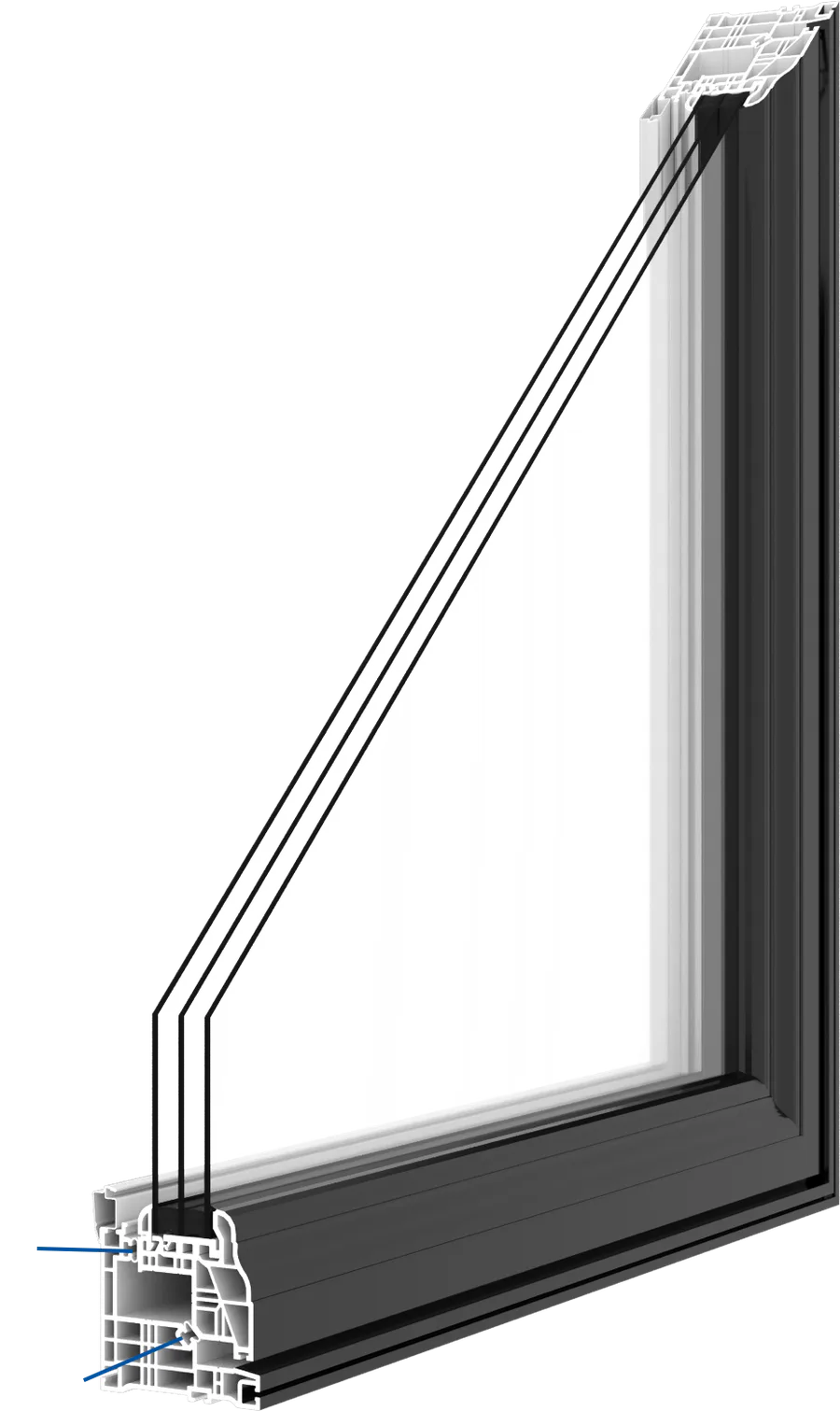
Cutaway view of a casement window frame and insulated glass profile
Representative casement frame and insulated-glass profile. Final frame and glazing construction are confirmed for the quoted window.
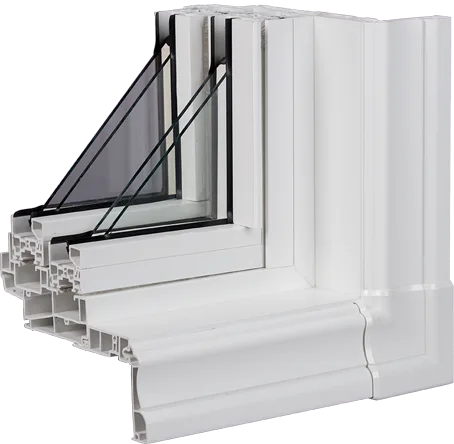
Cutaway view of a sliding window frame and insulated glass profile
Representative frame profile shared across reviewed sliding and hung configurations. It is not a retrofit wall cutaway.

Product examples

Product configurations related to casement vs slider windows..

Explore common configurations, then confirm the exact product, performance ratings and warranty in your written quotation.

Request a quote

Send the project details for a useful next conversation.

Share the opening, location and the choices you already know. A request can be sent without completing the detailed planner first.