Sash, glass and hardware
An operating sash, sealed glass unit, lock or operator may sometimes be repaired without replacing the complete frame. Availability and condition determine whether that approach is practical.
Complete replacement project
Replacing a house window is a coordinated product-and-installation project. The useful decisions begin with the existing opening, continue through window style and glass selection, and end with a written scope that explains exactly what will be removed, supplied, sealed and finished.

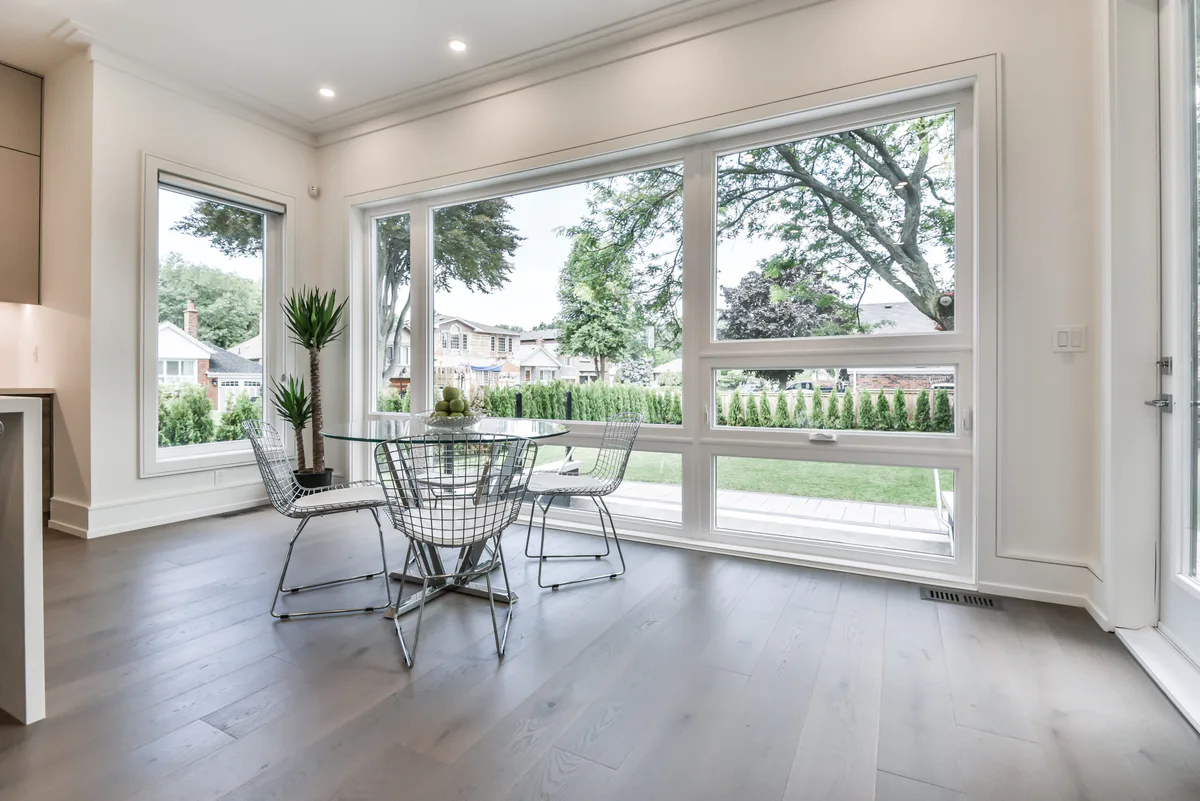
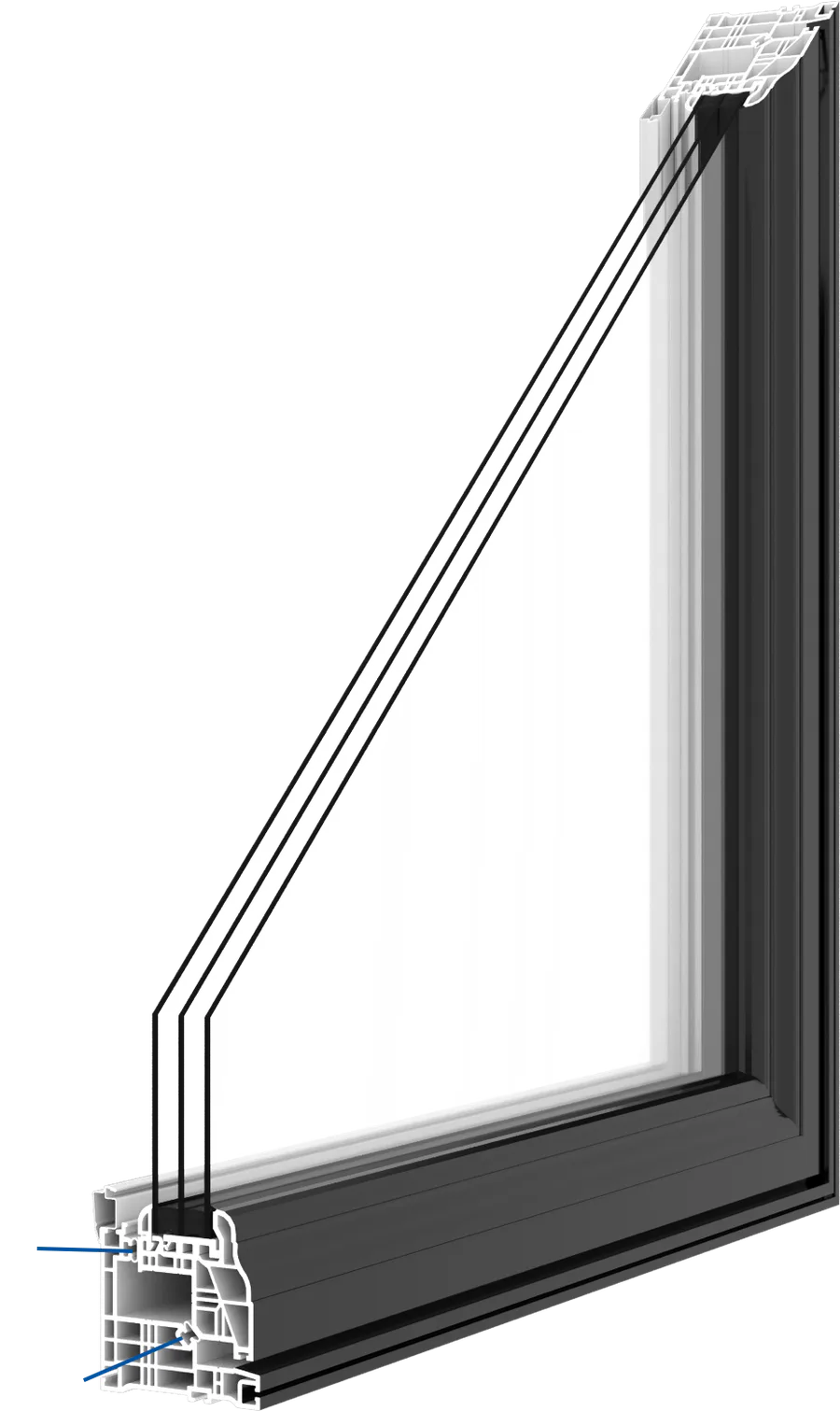
A representative replacement window configuration. The exact product, options and performance details are confirmed in your written quotation.
At a glance
Replacement makes sense when a window no longer operates reliably, allows persistent air or water leakage, has deteriorated frames or recurring sealed-unit failures, or no longer meets the room’s practical needs. The decision should follow an assessment of the opening rather than age alone.
The phrase “window replacement” can describe several scopes. Sometimes the complete old frame is removed to expose the rough opening. In other projects, a new unit is installed within a sound existing frame. Glass-only or hardware repairs are different again.
Start with the reason
Drafts, condensation, difficult operation and visible deterioration do not all point to the same repair. Interior surface condensation can reflect indoor humidity and cold weather; moisture between panes usually indicates a failed sealed unit; staining around the opening may involve exterior water management. The first step is to separate the symptom from its cause.
Replacement is more compelling when the frame is damaged, the unit cannot be adjusted into reliable operation, repeated failures affect several windows, or the existing configuration cannot meet ventilation, egress, comfort or maintenance needs. A sound frame with an isolated hardware problem may justify repair instead.
An operating sash, sealed glass unit, lock or operator may sometimes be repaired without replacing the complete frame. Availability and condition determine whether that approach is practical.
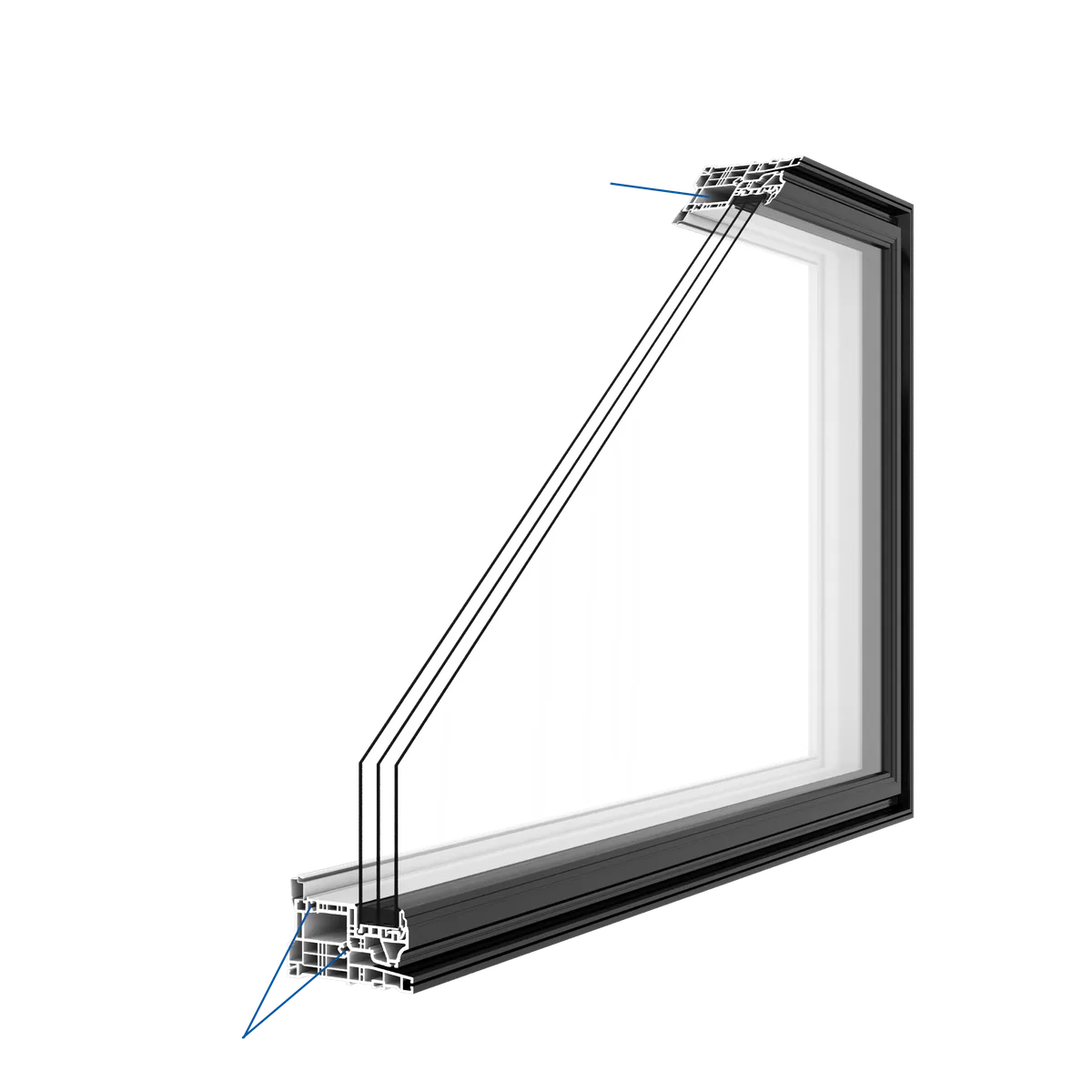
The frame connects the sash and glass to the wall opening. Frame condition, drainage, alignment and surrounding finishes influence the replacement method.
The framed opening in the wall becomes visible during full-frame work. Hidden deterioration, insulation gaps and water-management details can then be assessed directly.
Product decisions
Operating style changes ventilation, screen location, cleaning, hardware reach and clear opening. Casements and awnings use hinged sashes; hung and slider windows move within the frame; picture and fixed units do not open. Combinations can place ventilation where it is useful while preserving glass area elsewhere.
Glazing should be evaluated as a whole-window package. Pane count, low-emissivity coatings, gas fills, spacers, frame construction and air leakage all contribute to performance. Orientation matters too: solar gain that is useful on one elevation may be uncomfortable on another.
Match opening direction, ventilation and cleaning access to the room. Confirm hardware reach, screen placement and applicable egress needs.
Review pane count, coatings, spacer and gas-fill options together with window size, operation and exposure.
Frame colour, exterior profile, sightlines, grids, mullions, interior jambs and trim affect the finished opening.
Use whole-window ratings for the exact configuration. Centre-of-glass values do not describe the complete product.
Measured project sequence
Product dimensions cannot be finalized until the existing frame, wall and finish conditions are understood. Likewise, the installation method should not be chosen only from a photograph or assumed standard size.
After installation, each operating unit should be checked for smooth movement, locking and alignment. Interior and exterior finishes should be reviewed against the written scope before handoff.
Review operation, frame condition, visible moisture evidence, cladding, trim, access and the reason for replacement.
Record opening dimensions, frame depth, sill and head conditions, wall thickness and finish interfaces.
Confirm style, configuration, glazing, colour, hardware, screens, installation method and finish direction.
Separate product supply, removal, installation, sealing, disposal and interior or exterior finishing.
Protect the work area, remove the agreed components, prepare the opening, set the unit, insulate and manage exterior water.
Complete included finishes, adjust operation, remove debris and review the work and documentation.
Commercial clarity
Window size, operating style, frame colour, glazing, grids and configuration influence product cost. Installation changes with replacement method, access, floor level, opening condition, interior jamb and trim, exterior capping or brickmould, disposal and structural changes. A window count is not enough to establish a reliable installed price.
A useful quotation identifies the selected window, major options, measured quantity, installation method, removal and disposal, air- and water-sealing scope, finishes, exclusions, warranty documentation and how concealed damage or scope changes will be handled.
Technical and configuration details
Each visual explains a specific detail relevant to window replacement, from opening assessment to finished installation.. Captions identify its practical limits.
Product examples
Explore common configurations, then confirm the exact product, performance ratings and warranty in your written quotation.

Replacement windowReference WRP-W003
A top-hinged operating window that projects outward from the bottom, allowing useful ventilation while keeping the opening compact.

Replacement windowReference WRP-W004
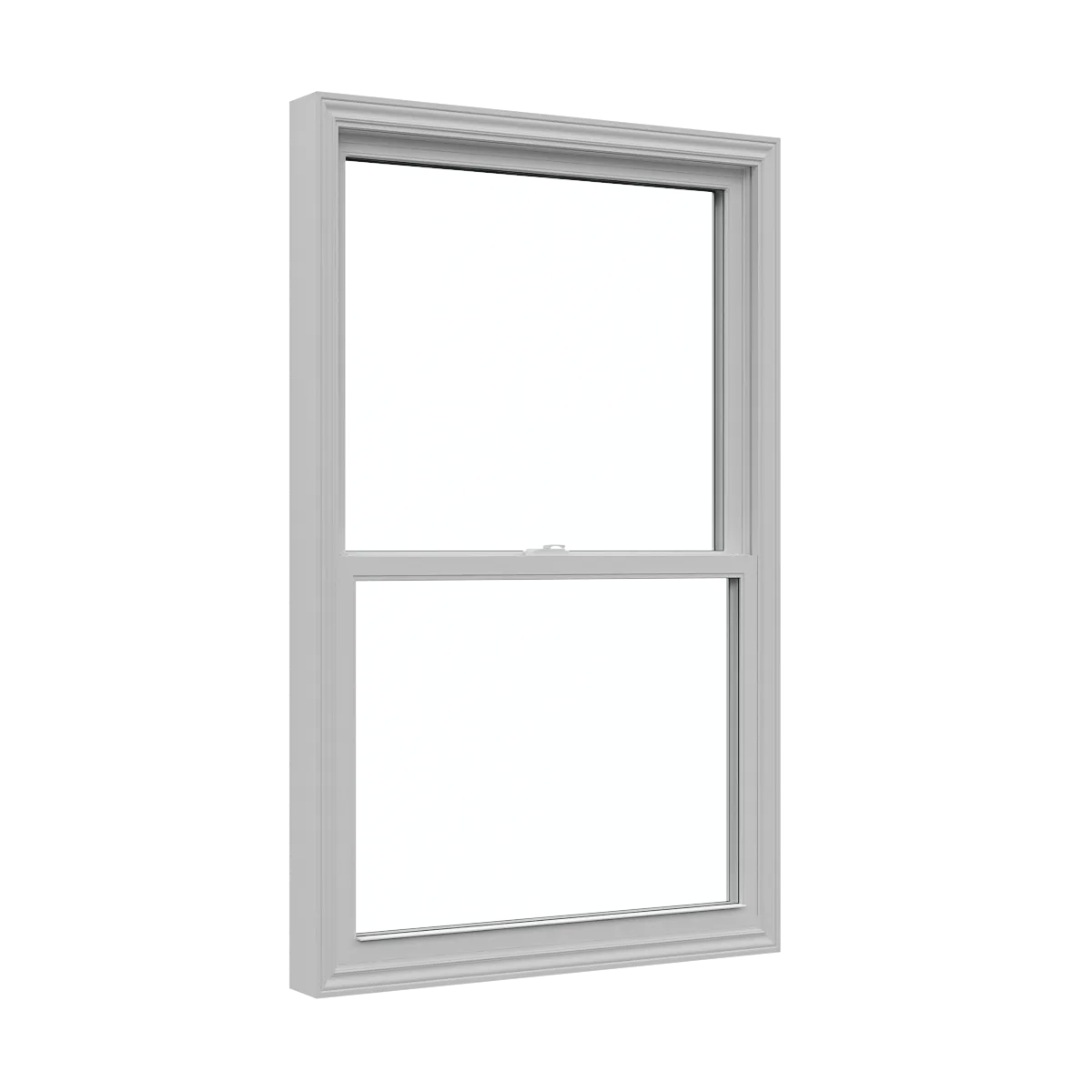
A vertically sliding window with two operating sashes for flexible upper and lower ventilation. The operation is useful where an outward-projecting sash would interfere with a walkway, deck or planting.
Replacement windowReference WRP-W008
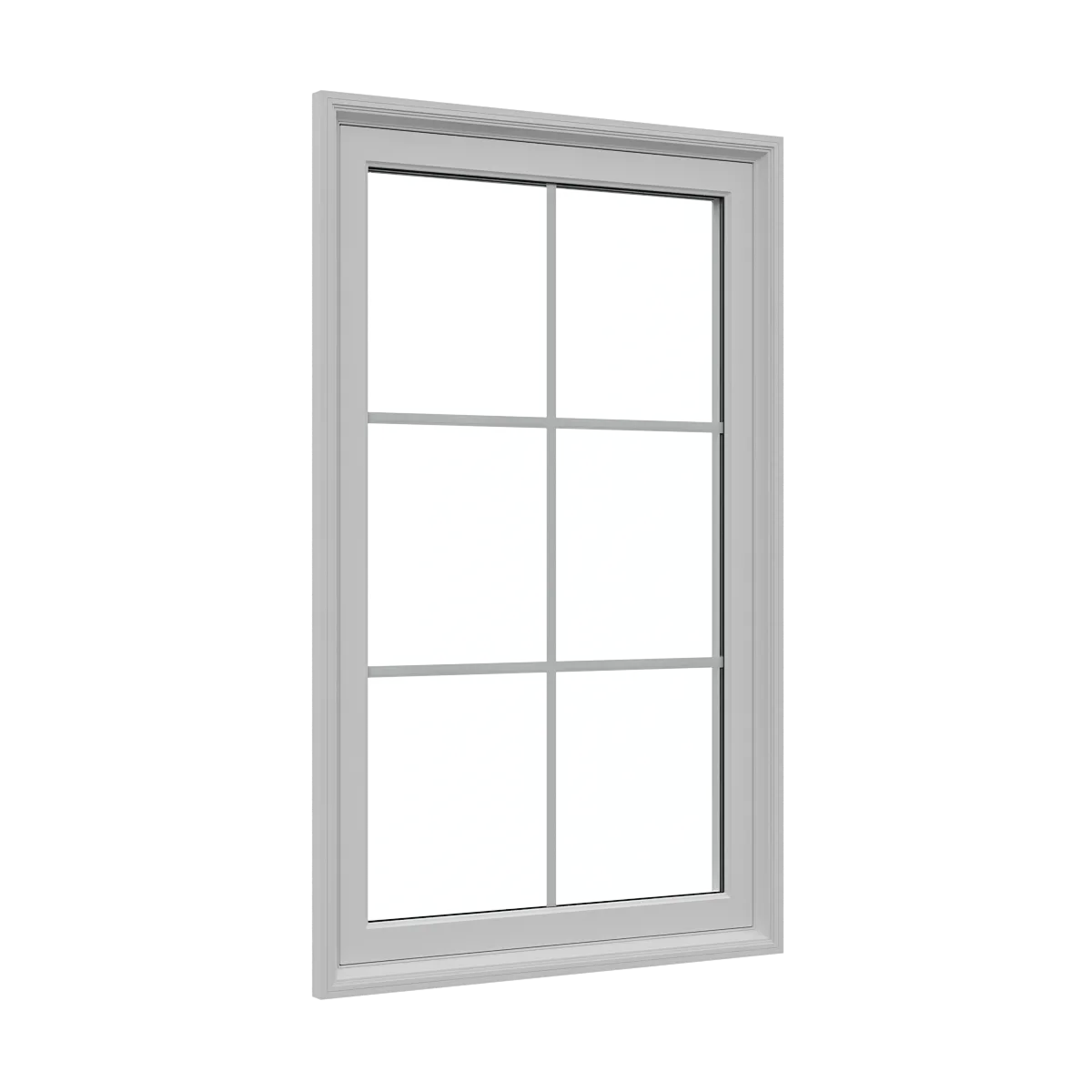
A non-operating window intended to provide uninterrupted daylight and views without ventilation hardware. The fixed sash can stand alone or be coordinated with casement, hung or slider units in a larger composition.
Continue planning
Plan your replacement
Compare suitable options, confirm the site measure and receive a written scope for product supply, installation and finishing.