U-factor
Lower values indicate less heat transfer through the rated whole window. Compare the exact configuration.
Glazing comparison
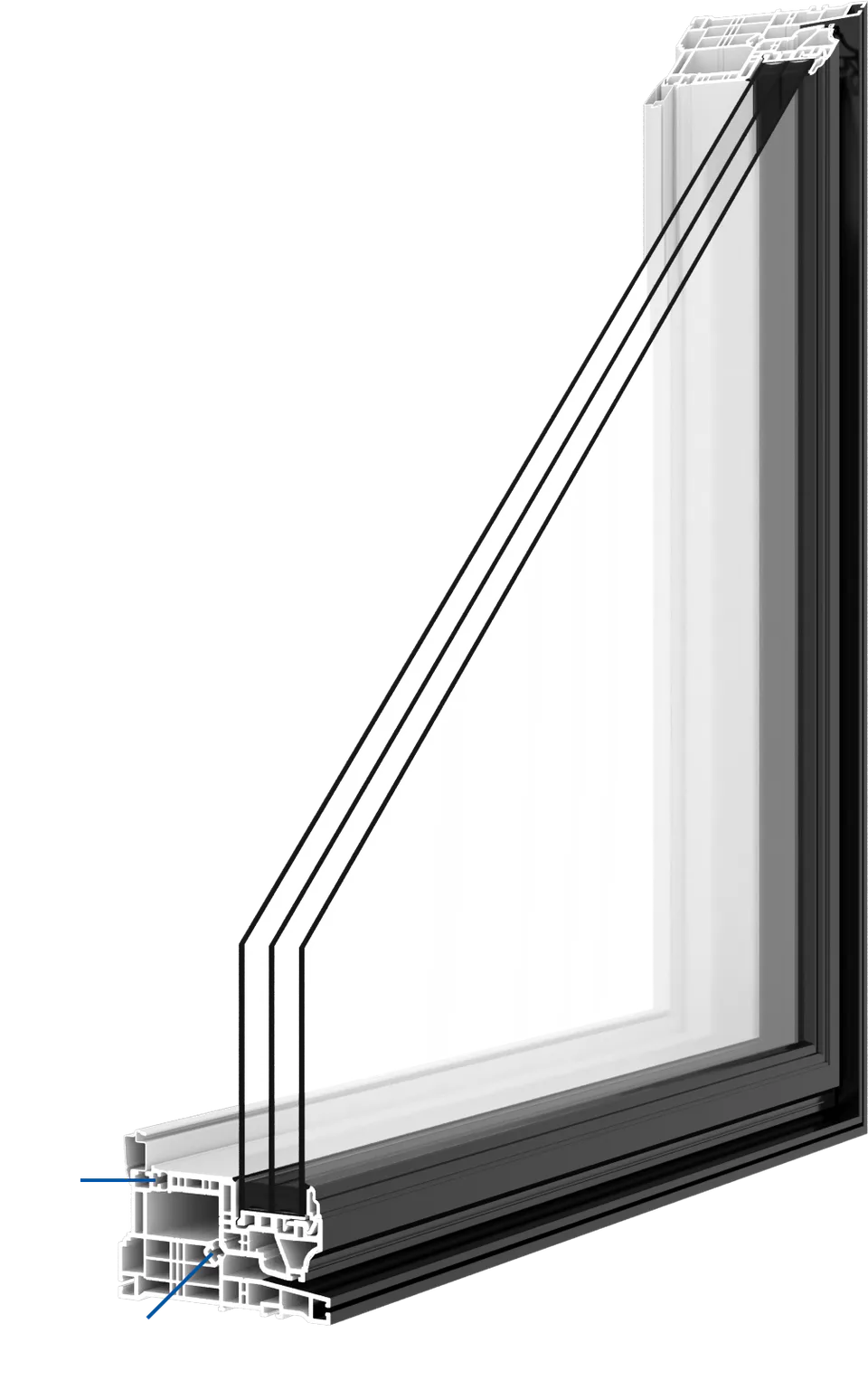
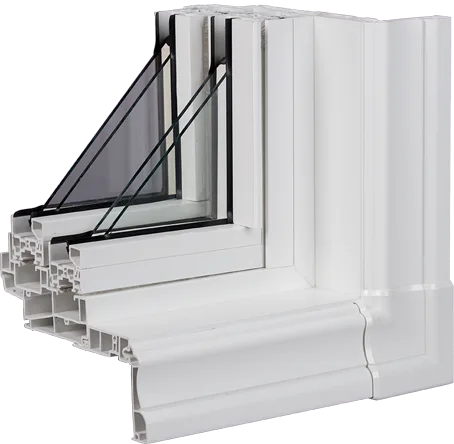
Triple glazing adds another glass layer and sealed space. That can improve whole-window thermal performance and interior-glass temperatures, but it also adds weight and cost. The right choice depends on the complete window, opening and comfort objective.

A representative replacement window configuration. The exact product, options and performance details are confirmed in your written quotation.
At a glance
A double-pane insulated glass unit normally has two panes separated by one sealed cavity. Triple-pane construction normally has three panes and two cavities. Coatings, gas fills, spacer design, glass thickness and frame integration vary, so pane count alone does not define performance.
Compare published whole-window values for the exact size and operating style in the quotation. A centre-of-glass value or a generic pane-count claim does not describe the frame, edge of glass, sash or air leakage.
What changes
Another pane and cavity can reduce heat transfer through the glass package and raise the indoor surface temperature in cold weather. That can improve comfort near the window and may increase condensation resistance under the same indoor and outdoor conditions.
The extra glass increases sealed-unit weight. Sash size, hinges, operators, balances and frame design must support it. This is why the available glazing package can vary by window style and dimensions.
| Consideration | Double pane | Triple pane |
|---|---|---|
| Glass construction | Two panes with one sealed cavity in a typical configuration. | Three panes with two sealed cavities in a typical configuration. |
| Thermal performance | Can provide strong performance with suitable coatings, gas fill, spacer and frame. | Can improve thermal performance where the complete window is designed for it. |
| Weight | Lower sealed-unit weight for a comparable size. | Higher weight, affecting hardware and size availability. |
| Cost | Generally lower within the same product and option set. | Generally higher because of added glass, assembly and handling. |
| Sound | Performance depends on glass thickness, spacing, seals and the complete opening. | An extra pane may help in some assemblies, but pane count alone does not guarantee a sound rating. |
| Condensation resistance | Depends on indoor humidity, exterior temperature and complete window performance. | Warmer interior glass can help, but indoor humidity and installation still matter. |
Comfort and climate
Ontario heating conditions make heat loss and interior surface temperatures important, but solar exposure varies by elevation and season. Low-emissivity coating placement and solar heat-gain characteristics should be considered with pane count rather than selected separately.
Triple glazing may be valuable for comfort near large glass areas, higher performance targets or specific exposures. Double glazing may remain reasonable where its verified whole-window values meet the project goal and lower weight or cost matters.
Lower values indicate less heat transfer through the rated whole window. Compare the exact configuration.
Coatings and glass layers affect admitted solar energy. The preferred value can vary by orientation and design goal.
A warmer indoor glass surface can reduce radiant discomfort and improve condensation resistance under the same humidity.
Pane count does not correct poor sash seals or installation. Air leakage remains a separate whole-window consideration.
Practical effects
Sound control depends on glass thickness, asymmetry, cavity spacing, frame seals and the wall opening. Triple glazing is not automatically the best acoustic assembly. Use a tested rating where noise is a major project goal.
Added weight is most relevant to operating windows. Large casements, awnings and hung sashes rely on hardware sized for the glass package. Fixed windows avoid operating-hardware loads but still require safe handling and structural support.
Selection questions
Compare the whole-window U-factor or other applicable performance rating for both quoted packages. Confirm low-emissivity coating, gas fill, spacer, safety-glass needs and whether the selected operating size supports triple glazing.
Then weigh the verified performance difference against price, sash weight, appearance and the room’s comfort needs. The decision can differ between elevations or window types in the same project.
Ask for the whole-window values for the measured size and configuration.
Confirm glass weight and hardware limitations for the operating style.
Identify comfort, performance, condensation resistance or sound as a specific objective.
Review exposure and solar heat gain before repeating one package mechanically across the home.
Technical and configuration details
Each visual explains a specific detail relevant to double-pane vs triple-pane windows.. Captions identify its practical limits.
Product examples
Explore common configurations, then confirm the exact product, performance ratings and warranty in your written quotation.

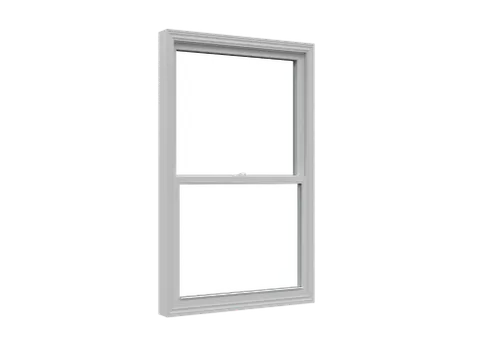
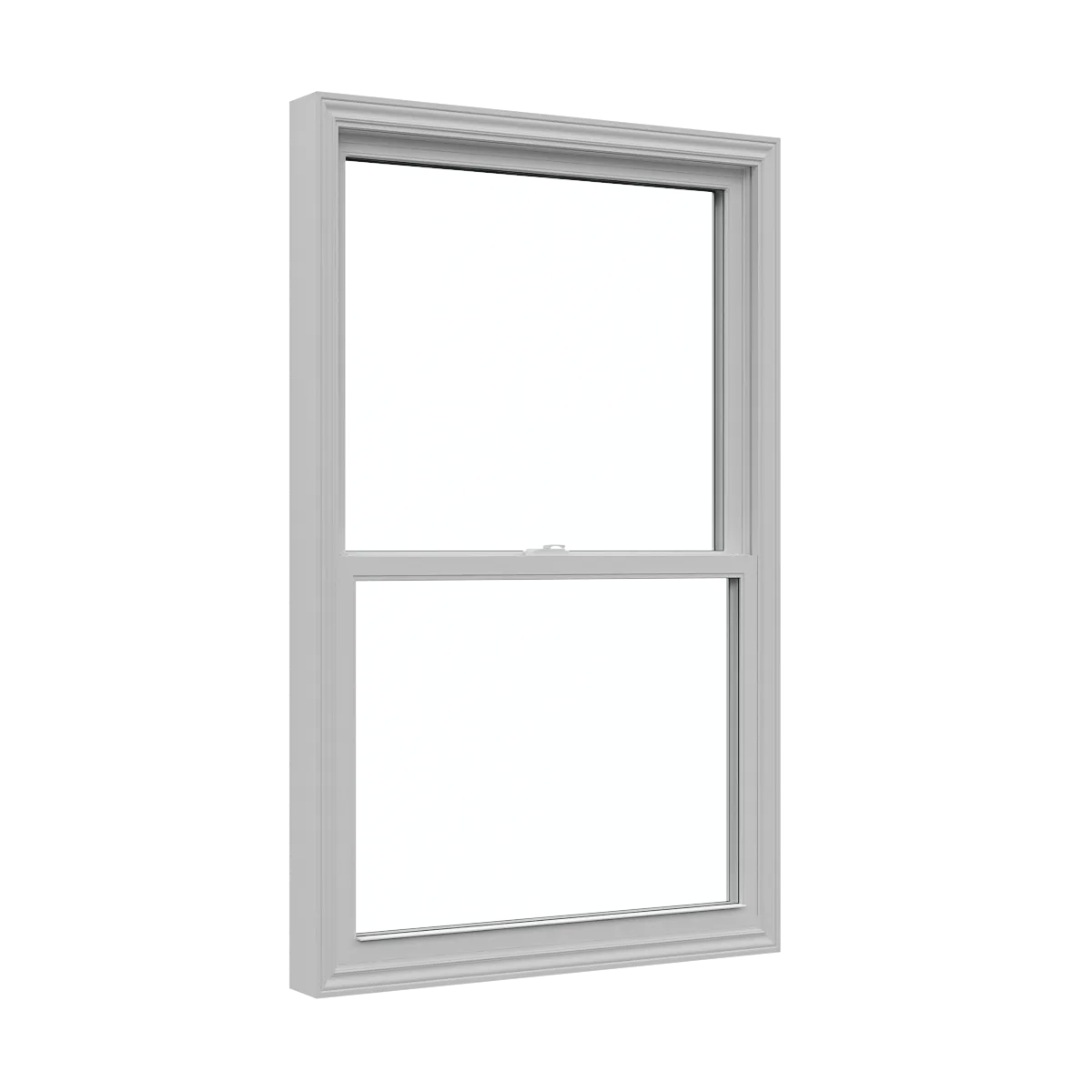
Replacement windowReference WRP-W004
A vertically sliding window with two operating sashes for flexible upper and lower ventilation. The operation is useful where an outward-projecting sash would interfere with a walkway, deck or planting.

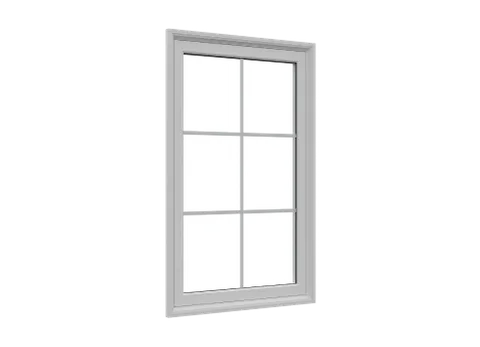
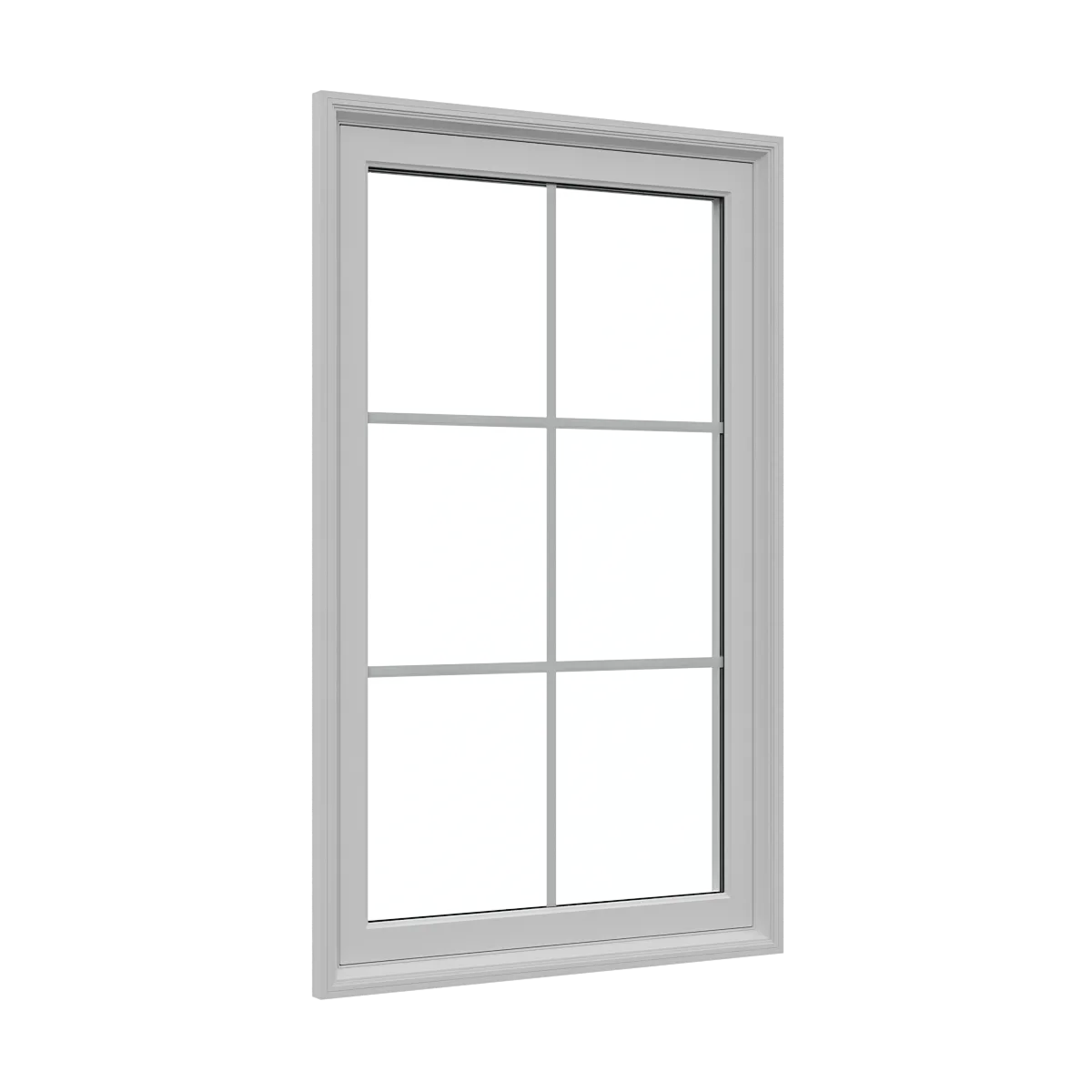
Replacement windowReference WRP-W008
A non-operating window intended to provide uninterrupted daylight and views without ventilation hardware. The fixed sash can stand alone or be coordinated with casement, hung or slider units in a larger composition.
Continue planning
Plan your replacement
Compare suitable options, confirm the site measure and receive a written scope for product supply, installation and finishing.