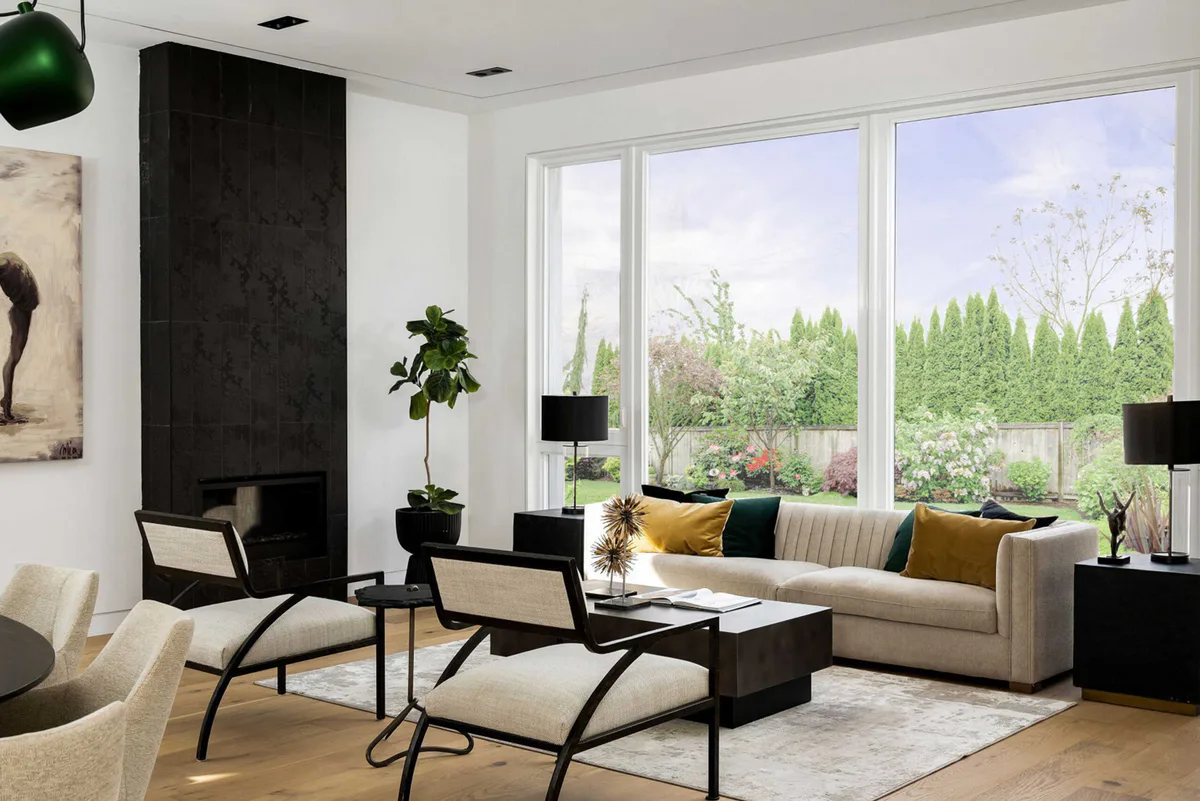
Side-hinged operating windows

Casement windows

Casement windows use a sash hinged at the side and operated outward, usually with a crank and locking handle.

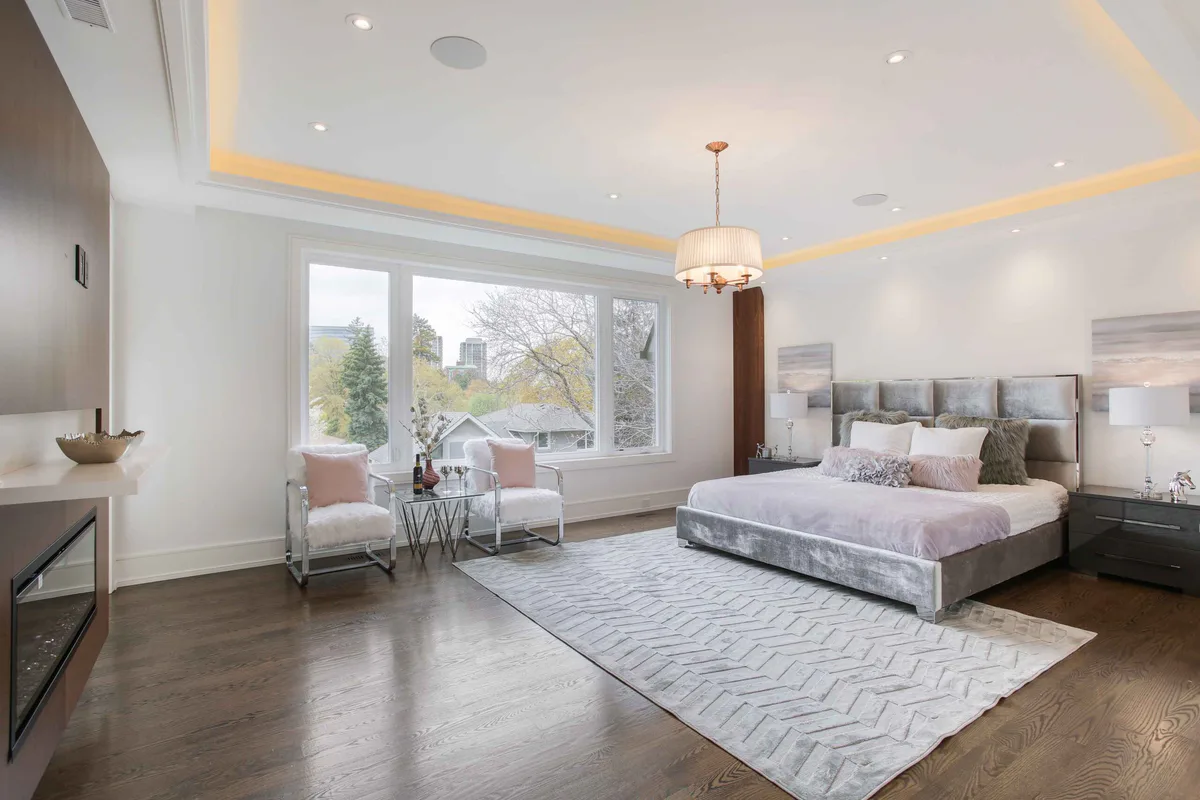
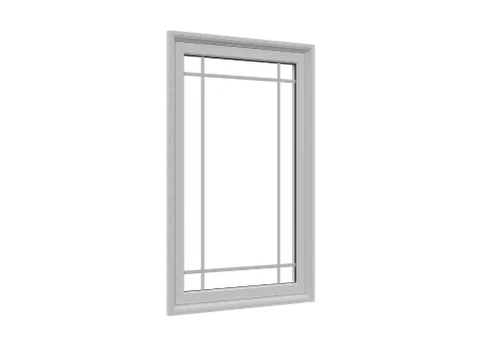
White slim-frame casement replacement window

A representative replacement window configuration. The exact product, options and performance details are confirmed in your written quotation.

01The opening can direct moving air and provide a broad clear view through one operating sash.02Turning the operator moves the sash outward; closing hardware draws it back toward the frame and, in supported systems, against compression-style seals.03The sash needs exterior swing clearance and accessible hardware, while cleaning the exterior face depends on opening size, location and reach.

At a glance

What homeowners should know about casement windows.

Casement windows use a sash hinged at the side and operated outward, usually with a crank and locking handle. The opening can direct moving air and provide a broad clear view through one operating sash. Turning the operator moves the sash outward; closing hardware draws it back toward the frame and, in supported systems, against compression-style seals.

Casements work beside fixed glass, in single openings and in multi-window combinations where controlled ventilation and an unobstructed interior screen are useful. Selection begins with the room, opening geometry and access rather than a style name alone. The measured quotation should identify operation, overall size, glass, finish, hardware and installation scope together.

Operation and use

How casement windows work.

Turning the operator moves the sash outward; closing hardware draws it back toward the frame and, in supported systems, against compression-style seals. Casements work beside fixed glass, in single openings and in multi-window combinations where controlled ventilation and an unobstructed interior screen are useful.

The sash needs exterior swing clearance and accessible hardware, while cleaning the exterior face depends on opening size, location and reach. Hardware reach, screen position, moving clearances and the relationship to nearby furniture or exterior paths should be checked before sizing is finalized.

01

Ventilation control

An open sash can catch or deflect air, but the result depends on wind direction and opening angle.

02

Compression closing

Applicable designs pull the sash toward perimeter seals; verify construction and ratings for the quoted unit.

03

Screen placement

The screen is normally on the room side because the sash projects outdoors.

04

Egress review

Only a correctly sized and configured casement may satisfy an applicable clear-opening requirement.

Room and opening fit

Where casement windows work well.

Casements work beside fixed glass, in single openings and in multi-window combinations where controlled ventilation and an unobstructed interior screen are useful. The useful answer depends on sill height, reachable hardware, desired ventilation, view, privacy and the amount of wall available around the unit.

The sash needs exterior swing clearance and accessible hardware, while cleaning the exterior face depends on opening size, location and reach. Building-code requirements, including egress where applicable, depend on the final clear opening, hardware and local project conditions; a style label alone does not establish compliance.

Glass, frame and finish

Choose casement windows glass, frame and finish together.

Compare single casements, paired or flanking casements, fixed-and-operating combinations, grille patterns, double or triple glazing, Low-E direction and safety glass where required. Pane count by itself does not establish whole-window performance, so the exact glass package and documented values should be compared for the quoted size and operation.

Interior casing, exterior capping or trim, frame colour, hardware finish and screen details should suit the complete elevation. Colour, grille pattern, screen, hardware and adjoining fixed or operating units should be coordinated from both the interior and exterior elevations.

01

Operating layout

Choose handing and nearby fixed units around furniture, circulation and exterior clearance.

02

Glass package

Compare coatings, pane count, spacer and documented whole-window values together.

03

Hardware

Confirm operator reach, lock points, hinge direction and finish.

04

Colour and grilles

Coordinate frame colour and grille proportions with the inside and outside elevations.

Replacement scope

Plan casement windows installation around the existing opening.

Check whether the existing frame can be retained without compromising clear opening, drainage, exterior profile or operator clearance. A retrofit approach may be reasonable only when the retained frame is sound, correctly shaped and suitable for the new unit. Full-frame work exposes more of the perimeter and can address frame condition, opening size and finishes more completely.

Interior casing, exterior capping or trim, frame colour, hardware finish and screen details should suit the complete elevation. The written scope should state removal limits, perimeter insulation, interior air sealing, exterior water management, trim or capping, disposal, adjustment and final finishing.

  1. 01

    Assess and measure

    Confirm the casement windows opening dimensions, frame condition, access, clearances and intended operation before selecting the final configuration.

  2. 02

    Specify the assembly

    Record the casement windows frame, glass, hardware, screen, finish, mullions and adjoining units so the components are compatible.

  3. 03

    Define the finish

    Identify the casement windows removal, sealing, water-management and interior/exterior finish work rather than leaving the perimeter ambiguous.

Technical and configuration details

Casement windows: construction and configuration details.

Each visual explains a specific detail relevant to casement windows. Captions identify its practical limits.
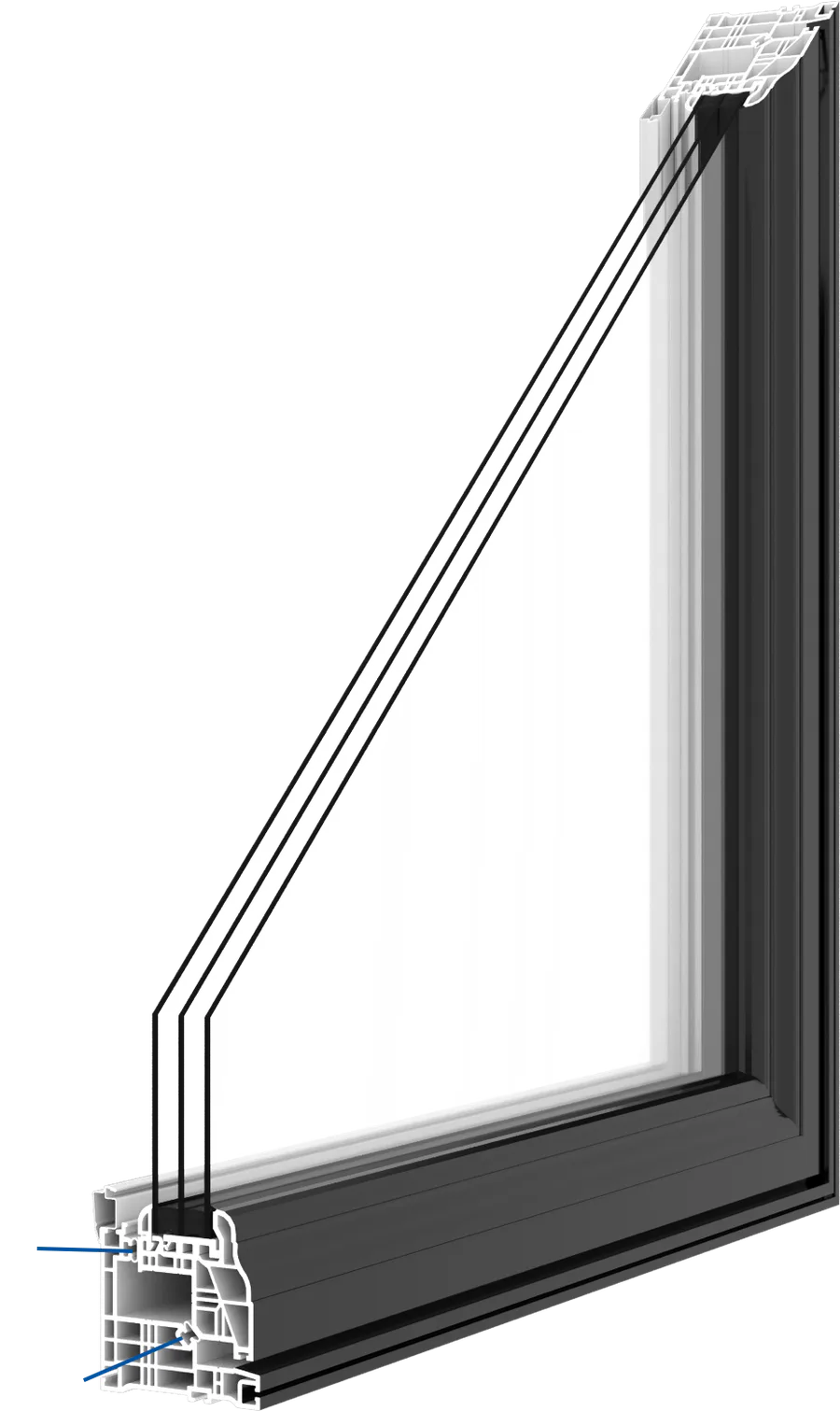
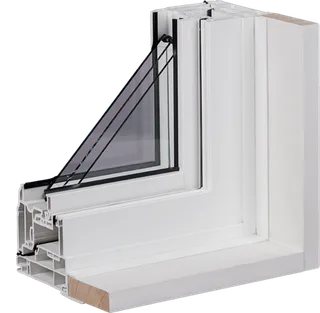
Cutaway view of a casement window frame and insulated glass profile
Representative casement frame and insulated-glass profile. Final frame and glazing construction are confirmed for the quoted window.

Product examples

Product configurations related to casement windows.

Explore common configurations, then confirm the exact product, performance ratings and warranty in your written quotation.

Plan your replacement

Start with the opening you need to replace.

Compare suitable options, confirm the site measure and receive a written scope for product supply, installation and finishing.